
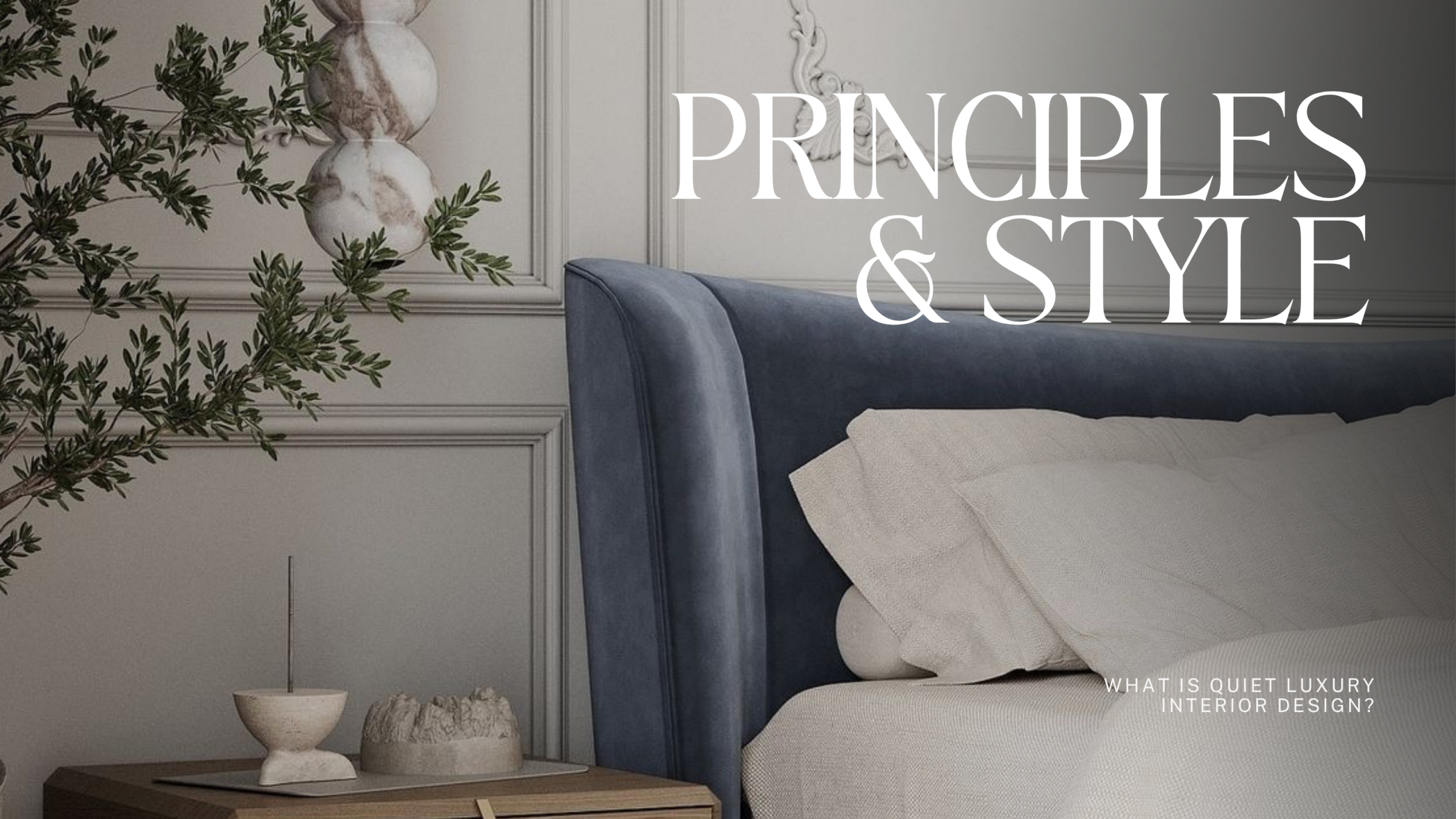
What Is Quiet Luxury? The Design Principles Behind Understated, Timeless Interiors
Deconstructing Quiet Luxury, Refinement Without the Volume
Quiet luxury is the design philosophy of wealth that does not need to announce itself. In fashion it means garments without visible logos, recognised only by those who know how to look; in interiors it means the same restraint applied to a home. Quiet luxury interior design replaces gloss, gold and grand gestures with depth, texture and craftsmanship. It is confident enough to leave things out. Where conventional luxury tries to impress on sight, quiet luxury reveals itself slowly, in the weight of a door, the grain of a solid timber surface, the way light falls across a hand-plastered wall. What you get is a home that feels calm and timeless rather than fashionable, one that ages into something more beautiful instead of dating.
How Quiet Luxury Differs from Minimalism and Japandi
Because these styles share a love of restraint, they are easily confused, but the differences are meaningful. Minimalism is about reduction: stripping a space to the fewest possible elements, often with a cool, austere edge that can feel clinical. Japandi blends Japanese wabi-sabi with Scandinavian warmth, prizing natural materials and imperfection in a relaxed, craft-led way. Quiet luxury interior design overlaps with both in its calm and its dislike of clutter, but it parts ways on richness. Where minimalism removes, quiet luxury refines; it keeps few elements, but each one is of the highest possible quality and tactility. It feels warmer and more inviting than minimalism, and more polished than Japandi. Minimalism, then, is about less, Japandi is about natural ease, and quiet luxury is about the very best of a few things.
The 4 Pillars of Quiet Luxury Interiors
1. Tactile Richness over Visual Noise
The defining principle of quiet luxury is that it appeals to touch before sight. Instead of bold patterns and shiny surfaces competing for attention, it layers subtle textures (bouclé and wool upholstery, raw and honed stone, hand-troweled plaster and unlacquered wood) so that a room reads as monochrome from across the space but reveals extraordinary depth up close. This is what makes the style feel expensive without a single obvious signal of cost, and it is the real shift in thinking behind quiet luxury: you design for touch rather than for the camera.
2. Earthy and Monochromatic Palette
Quiet luxury lives in a narrow, natural colour range: warm whites, oatmeal, taupe, greige, soft browns, muted greens and charcoal. Within this restrained palette, interest comes from tone and texture rather than contrast, layers of similar shades that create a serene, cocooning atmosphere. There are no jarring accent colours and no high-contrast drama. This monochromatic, earthy approach is deliberately timeless; because it is drawn from natural materials rather than seasonal trends, it does not date. It also gives craftsmanship and form a quiet backdrop to stand out against.
3. High-Craftsmanship Interior Design Furniture
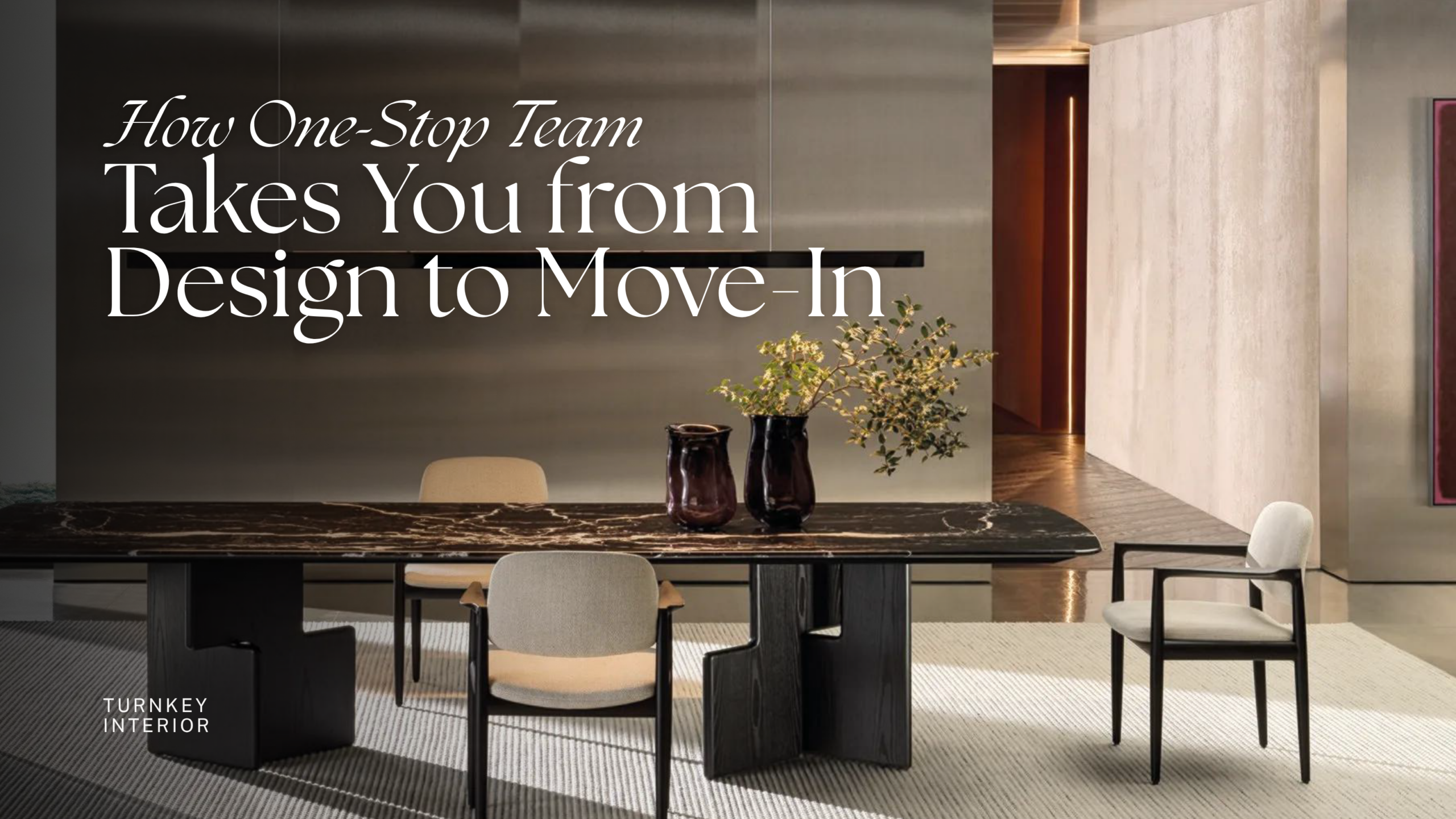
If quiet luxury has a centrepiece, it is craftsmanship. This is a style built on a few exceptional pieces rather than many ordinary ones, so the quality of each object carries enormous weight. Here, interior design furniture is chosen for how it is made: solid construction, honest materials, refined proportions and detailing taken to a level you rarely see. A single beautifully made sofa, a hand-finished dining table, a cabinet with flawless joinery, these anchor the room and justify the restraint around them. Nothing here is disposable; every piece is meant to last for decades and improve with age. Buying fewer, better things isn’t only an aesthetic choice here, it is the whole idea.
4. Seamless Smart-Home Integration
Modern quiet luxury extends its discipline to technology. Screens, speakers, controls, lighting and climate systems are all present, but none of them are allowed to disrupt the calm. This is invisible technology: televisions that vanish into panelling or mirror, speakers concealed within walls and ceilings, lighting and blinds controlled from a discreet interface, wiring hidden entirely. The aim is a home that is fully connected yet feels entirely analogue and calm, where nothing blinks, clutters or dates the room. It takes careful planning early on, but it matters: visible technology is one of the quickest ways to break the calm.
Bringing Quiet Luxury into a Luxury Home
In a standalone residence, quiet luxury has the space to express itself fully. The approach is to invest in a timeless architectural shell (quality stone or timber flooring, hand-finished walls and generous but understated joinery) and a palette that flows uninterrupted from room to room. A successful luxury interior design home in this style avoids statement chandeliers and ornate detailing in favour of beautiful materials, layered natural and concealed lighting, and a few exceptional furniture pieces given room to breathe. The house should feel serene and personal, the kind of interior that reveals its quality gradually to those who spend time in it rather than declaring it at the door.
Adapting the Philosophy for a Luxury Condo
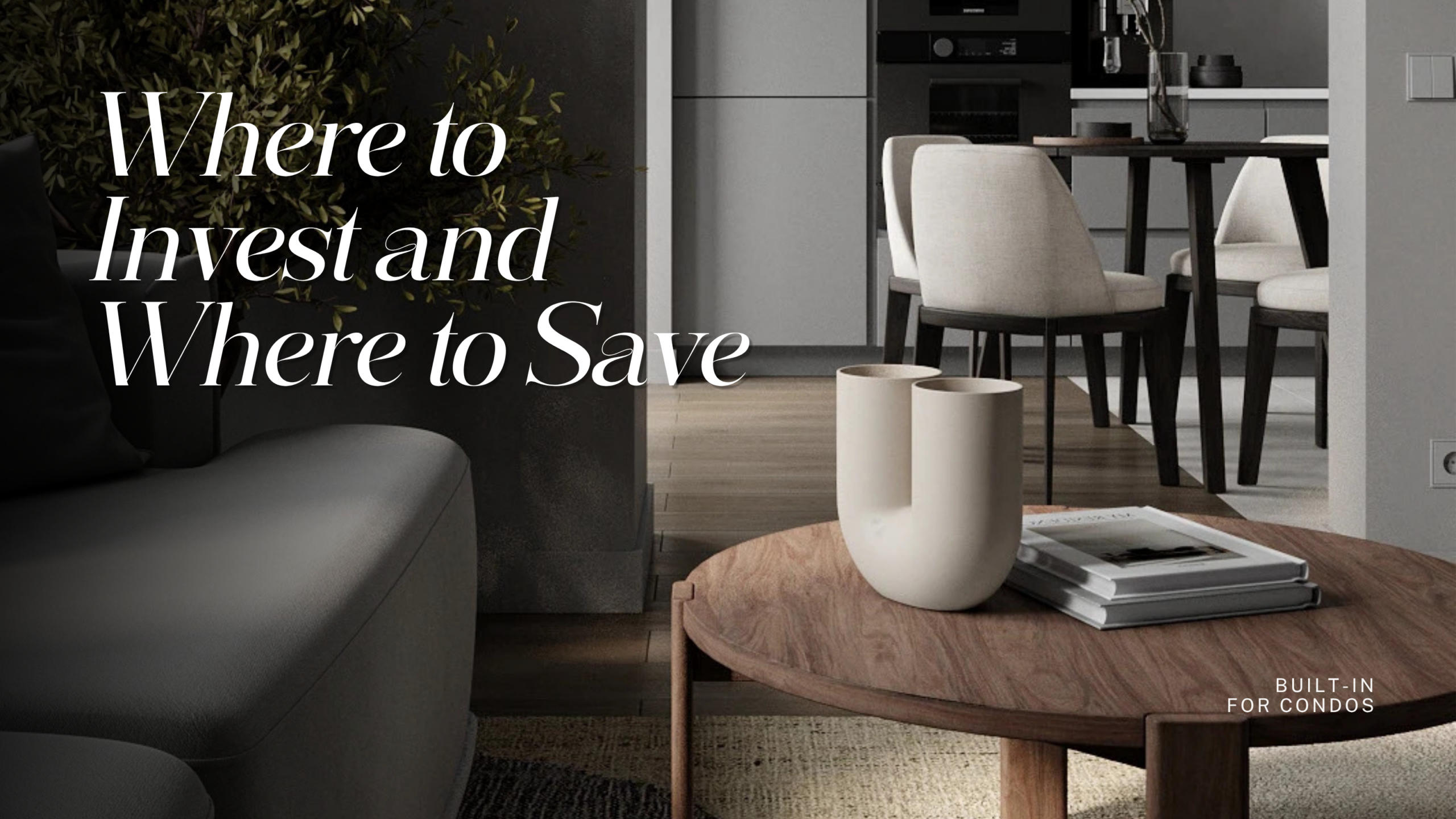
The same principles translate to a condominium, with the discipline turned up to suit a smaller footprint. In luxury condo interior design, quiet luxury relies even more heavily on a tightly controlled palette and seamless, full-height joinery to create calm within limited space. Texture does the work that scale cannot: a honed stone surface, a bouclé chair, a warm timber wall. Concealed storage keeps every surface clear, layered lighting replaces a single bright fixture, and technology disappears into the architecture. Because there is no room for excess, a compact unit is in some ways the purest expression of quiet luxury, every one of the few elements has to be exactly right.
Where to Start if You Are New to Quiet Luxury
Adopting quiet luxury does not require gutting your home; it rewards a patient, considered approach. The best starting point is the palette: shift your walls and larger surfaces into a warm, natural, monochromatic range (soft whites, greige, taupe, muted browns), which instantly creates the calm the style depends on. From there, upgrade the elements you touch most, one at a time, choosing quality over quantity: a beautifully made sofa in a textured fabric, a solid timber or stone surface, considered lighting to replace a single ceiling fixture. Resist the urge to fill the space; quiet luxury lives in restraint, so removing clutter and adding concealed storage often does more than any purchase. Finally, address the small details that quietly signal quality: swapping shiny hardware for brushed finishes, softening acoustics with a rug or curtains, and hiding visible cables and technology. Because the style is built on a few excellent things rather than many ordinary ones, spending slowly and deliberately isn’t a compromise here; it is simply how you build a quiet-luxury interior that feels real rather than staged.
Frequently Asked Questions
What is quiet luxury in interior design?
Quiet luxury is a design philosophy of understated, high-quality interiors that signal refinement without obvious displays of wealth. It replaces gloss, gold and grand gestures with depth, texture and craftsmanship, relying on a restrained natural palette and a few exceptional, well-made pieces rather than many decorative ones. The result is a calm, timeless home that reveals its quality slowly, through materials and detailing you notice up close rather than at first glance.
What materials does a quiet-luxury home use?
The palette is natural, tactile and restrained: honed and raw stone, solid and unlacquered timber, hand-troweled plaster, full-grain leather, wool and bouclé upholstery, and brushed rather than shiny metals. Colours stay within a warm, earthy, monochromatic range so that texture, not pattern or contrast, provides the interest. Every material is chosen for how it feels and how well it ages, since quiet luxury prizes longevity and craftsmanship over decorative impact.
What is the difference between minimalism and quiet luxury?
Minimalism is about reduction: stripping a space to the fewest elements, often with a cool, austere edge. Quiet luxury shares the calm and dislike of clutter but is warmer and richer: it keeps few elements, yet each is of the highest possible quality and tactility. Put simply, minimalism is about less, while quiet luxury is about the very best of a few things. The latter feels more sensuous and considered, where minimalism can feel clinical.
Conclusion
Quiet luxury isn’t just minimalism with a bigger budget. It is a distinct approach built on tactile richness, an earthy palette, real craftsmanship and technology that stays out of sight. It rewards restraint, quality and patience, producing interiors that feel calm today and remain beautiful for decades. In a world of louder design, that quiet confidence is what makes it feel luxurious.
If a serene, understated and enduring home is what you are after, the Beyond Decor team can help you develop a quiet-luxury scheme grounded in real materials and precise craftsmanship.
Book a consultation to explore the approach for your space.